Source Velvet Fashion Jewelry Display Stands for Retail
Find 30 velvet fashion jewelry display options for retail stores, exhibitions, and specialty shops. Compare leather and composite material stands in black, featuring hand-made luxury designs and custom OEM services for effective product storage and presentation; compare the available evidence and request quotations based on your requirements.
Key considerations
Products List

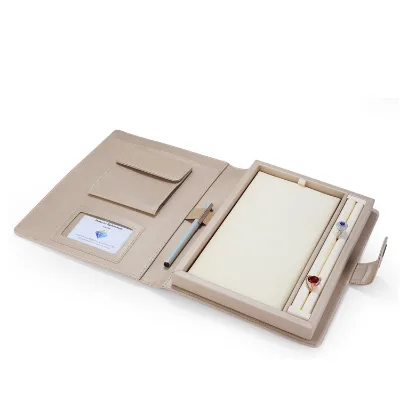


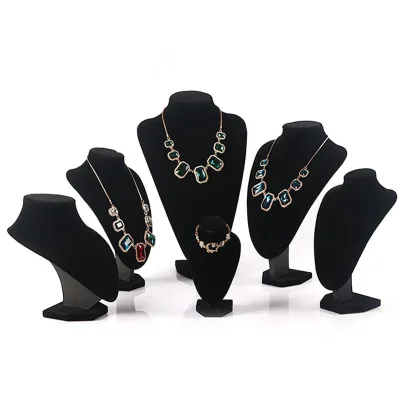
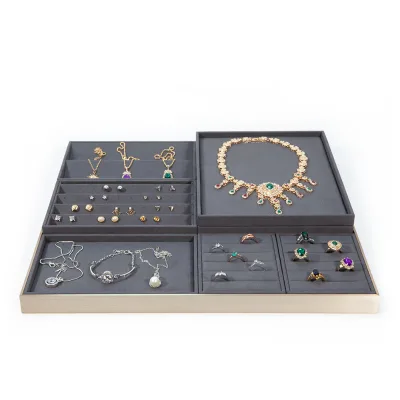


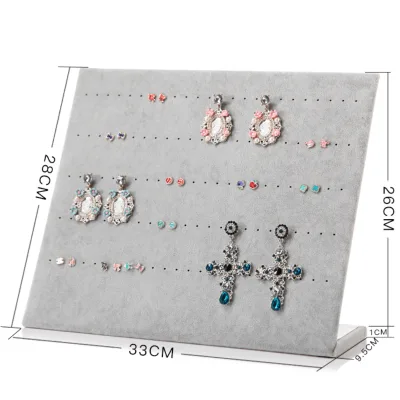


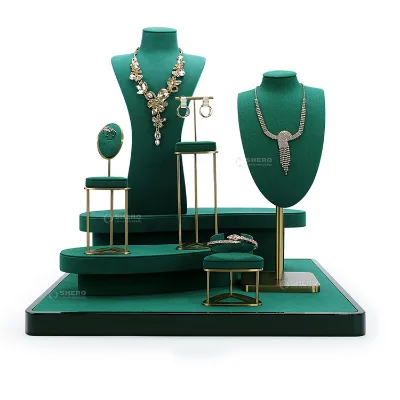
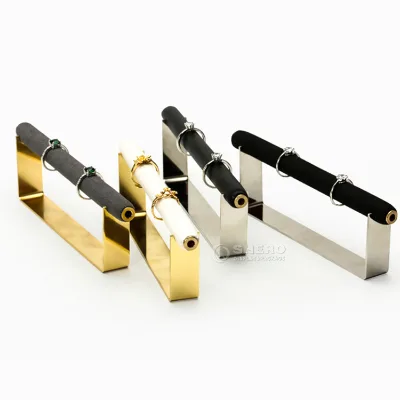

Comprehensive Sourcing Guide
Velvet Fashion Jewelry Display Sourcing Guide
Procuring velvet fashion jewelry displays requires distinguishing between luxury presentation units and functional storage solutions, as the market offers diverse configurations for different retail environments. Buyers must verify whether the velvet finish is a primary aesthetic feature or a secondary lining, noting that observed listings include leather and composite material options alongside traditional textiles. The distinction between a standalone stand and a clamshell box is critical, as the former serves exhibition purposes while the latter is designed for secure storage and transport.
Sourcing decisions should prioritize the specific display location, whether it is an outdoor exhibition, a specialty store, or a supermarket, as this dictates the required durability and anti-theft features. While some units are explicitly marked as non-antitheft, others may offer custom OEM capabilities to enhance security or branding. Understanding the intended usage context ensures that the selected display stand aligns with the brand's luxury positioning and the practical needs of the retail floor.
Product Scope and Observed Listing Signals
The observed product range includes jewelry display stands and jewelry set boxes, with models varying significantly in size from small units to floor-type structures. Buyers should note that materials range from leather and metal to composite materials, indicating that "velvet" may be a specific finish rather than the sole construction material for all listed items. The presence of vintage and hand-made features suggests a segment of the market catering to high-end, artisanal jewelry brands that require unique, non-mass-produced presentation tools.
Listing signals reveal a wide spectrum of customization options, with OEM services explicitly welcomed and sample times ranging from five to seven days via major courier services. The production time of approximately thirty days and the nearest ports in Shenzhen and Guangzhou are standard logistical benchmarks for this category. Buyers must carefully cross-reference the specific model numbers, such as TN217 or JD1212, against their design requirements, as specifications like waterproofing or recycled content vary by model and are not universal across the entire product line.
Technical Specifications to Verify
Technical verification must begin with the physical dimensions and structural integrity of the display unit, as observed specifications include sizes like 31*12CM or custom dimensions matching the product picture. Buyers should confirm the build method, whether it is a connect-style assembly or a pre-fabricated unit, and ensure the folded or unfolded state matches the intended storage and display workflow. The shape, described as a stand or desktop unit, must be compatible with the specific jewelry items being showcased to prevent damage or aesthetic mismatch.
Material composition is a critical technical parameter, with listings indicating metal, leather, and composite options that affect the weight and longevity of the display. Buyers need to verify if the product is designed for outdoor use, as this requires specific weather-resistant treatments not present in all indoor-focused models. Additionally, the open way, such as a clamshell mechanism, must be tested for smooth operation to ensure that the jewelry can be accessed and secured without compromising the structural integrity of the velvet or leather finish.
Compliance and Safety Documentation
Compliance verification should focus on the presence of recognized standards such as CE, SGS, SEDEX, and ISO9001, which are cited in the product data as indicators of quality management and safety. Buyers must request current certification documents to confirm that the specific batch of jewelry displays meets these standards, as the presence of a standard code does not guarantee that every unit in a large order has been independently tested. The absence of specific safety claims for certain models requires buyers to demand third-party test reports before finalizing large procurement contracts.
Safety documentation must also address the intended usage environment, particularly for displays used in exhibition shows or specialty stores where public interaction is high. While some units are explicitly noted as not antitheft, buyers should verify if the design includes any passive security features or if additional locking mechanisms are required for high-value inventory. Ensuring that the packaging, described as inner boxes or polybags, meets international shipping standards is essential to prevent damage during transit and to maintain the pristine condition of the velvet or leather surfaces upon arrival.
Cost Drivers and Commercial Terms
Cost drivers in this category are heavily influenced by the customization level, material selection, and the complexity of the hand-made or vintage features. Buyers should anticipate that OEM requests and specific design modifications will increase the unit price, which currently ranges from 0.02 to 666 USD depending on the model and order volume. The minimum order quantity of 1000 PCS for certain items creates a significant barrier for small buyers, necessitating careful inventory planning to avoid overstocking or underutilizing the production capacity.
Commercial terms such as EXW, FOB, CNF, and CIF define the financial responsibility for shipping and insurance, with door-to-door options available for added convenience. Buyers must calculate the total landed cost by factoring in the production time of thirty days and the nearest port locations in Shenzhen or Guangzhou, as these factors impact the overall supply chain timeline. Understanding the sample time of five to seven days is also crucial for budgeting, as it allows for a rapid evaluation phase before committing to the full production run.
Supplier Qualification and Quality Control
Supplier qualification should prioritize manufacturers with a proven track record in producing jewelry display stands and set boxes, as evidenced by their adherence to ISO9001 and SEDEX standards. Buyers must verify the supplier's capacity to handle the observed production time of thirty days and their ability to manage the high MOQ of 1000 PCS without compromising quality. The availability of OEM services indicates a flexible manufacturing base, but buyers should confirm the supplier's experience with specific materials like leather or metal to ensure the final product meets luxury standards.
Quality control protocols must include a rigorous inspection of the sample units, which are typically sent via DHL, FedEx, or UPS within five to seven days. Buyers should establish clear acceptance criteria for the finish, ensuring that the velvet or leather texture is consistent and that the structural assembly is secure. Regular factory audits are recommended to verify that the production process maintains the observed standards and that the packaging, whether inner boxes or polybags, protects the product effectively during the thirty-day production cycle.
Long-Term Procurement Checks
Long-term procurement checks should focus on the consistency of the product model numbers and the stability of the supply chain for materials like leather and composite components. Buyers must monitor the supplier's ability to maintain the thirty-day production lead time and the five-to-seven-day sample turnaround over multiple order cycles. Any deviation in these timelines or changes in the material composition should trigger a re-evaluation of the supplier's reliability and the potential need to diversify the sourcing base.
Sustainability and adaptability are key factors for long-term success, especially given the observed features of recycled materials and customizable designs. Buyers should regularly assess whether the supplier can adapt to changing market trends, such as new waterproofing requirements or updated security features for outdoor displays. Maintaining a strong relationship with the supplier ensures that the jewelry display stands remain aligned with the brand's evolving luxury positioning and that the procurement process remains efficient and cost-effective over time.
FAQs
What materials are used for velvet fashion jewelry displays?
The displays are crafted from leather, composite materials, and metal. These durable materials ensure the stands support heavy jewelry sets while maintaining a vintage and luxury aesthetic. The choice of material allows for both indoor and outdoor exhibition use, providing a stable base for showcasing items in specialty stores and supermarkets.
Can I customize the jewelry display stand design?
Yes, customization is available and OEM is very welcome. Buyers can request specific sizes, such as small formats or specific dimensions like 31*12CM. The production process supports custom branding and structural adjustments, allowing businesses to tailor the display to their specific retail environment and brand identity requirements effectively.
What is the typical production time for these stands?
The standard production time is approximately 30 days. For urgent needs, sample production takes only 5-7 days and can be sent via DHL, FedEx, or UPS. This timeline ensures that bulk orders are manufactured with quality control while samples are delivered quickly for approval before full-scale production begins.
What is the minimum order quantity for these displays?
The minimum order quantity is 1000 pieces. This MOQ applies to standard orders to facilitate efficient manufacturing and shipping processes. Buyers should consider this volume when planning inventory, as it ensures the cost-effectiveness of the production run and allows for consistent quality across the entire batch of display stands.
Which certifications do the jewelry displays meet?
The products comply with CE, SGS, SEDEX, and ISO9001 standards. These certifications verify that the manufacturing processes and materials meet international quality and safety requirements. This compliance provides assurance for global buyers regarding the reliability and ethical standards of the supply chain, facilitating smoother import processes in various international markets.
How are the jewelry display stands packaged for shipping?
Packaging includes inner boxes and polybags for individual units. Specific models may use carton packaging for bulk protection. This method ensures the stands arrive in pristine condition, preventing damage during transit. The packaging is designed to optimize space in shipping containers, reducing logistics costs while maintaining the structural integrity of the display units.